SUMMER SCHOOLS
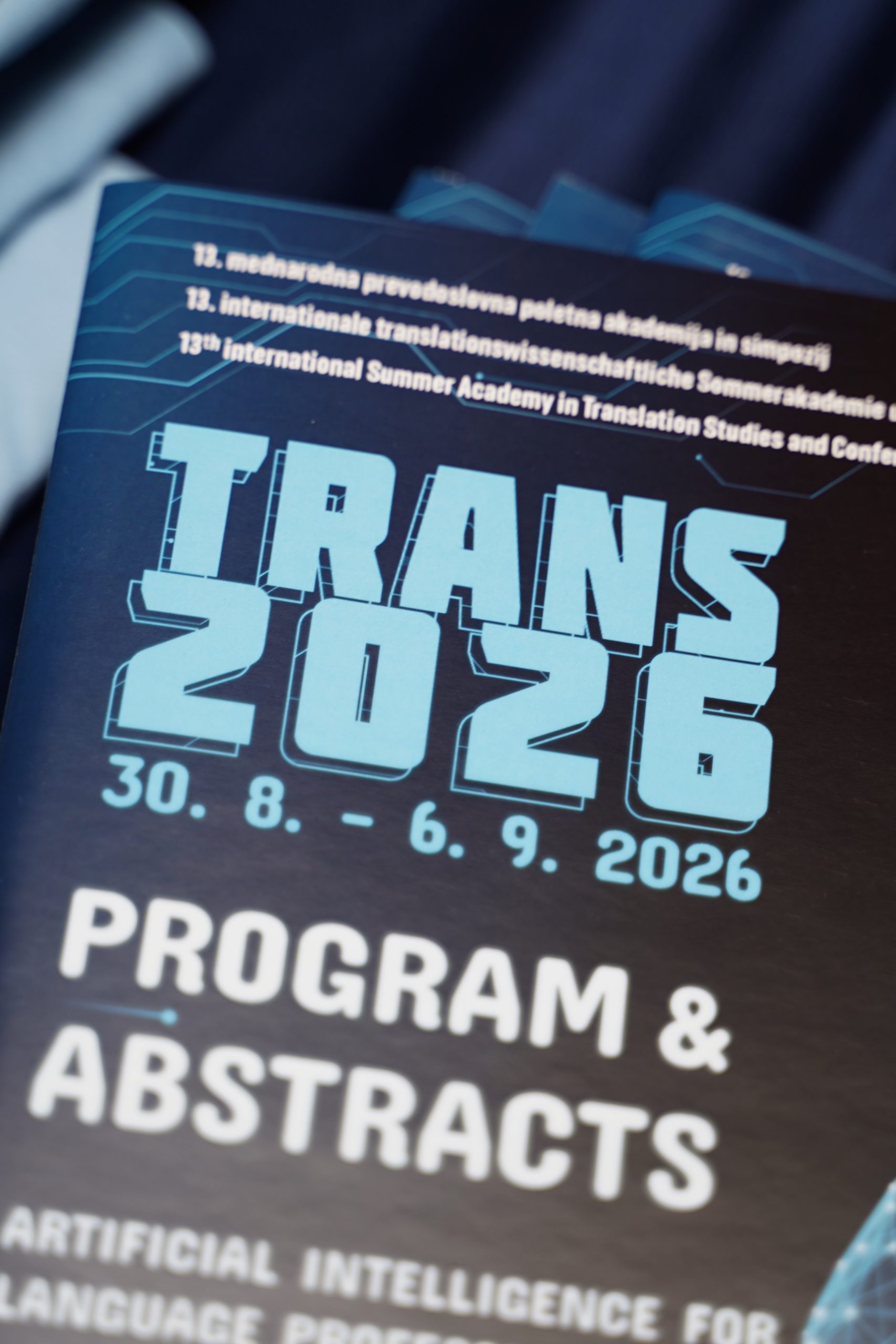
TRANS 2026: ARTIFICIAL INTELLIGENCE FOR LANGUAGE PROFESSIONALS
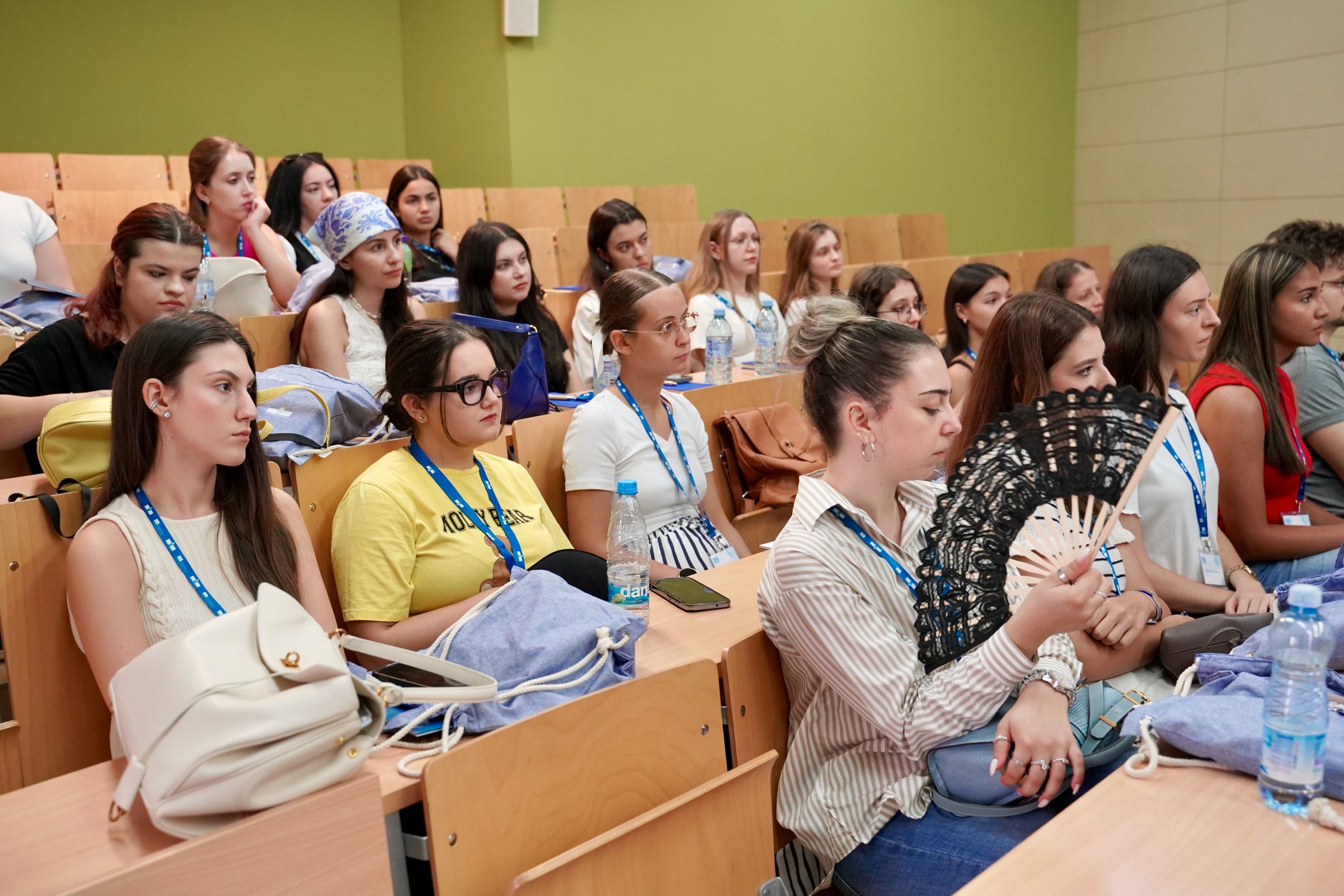
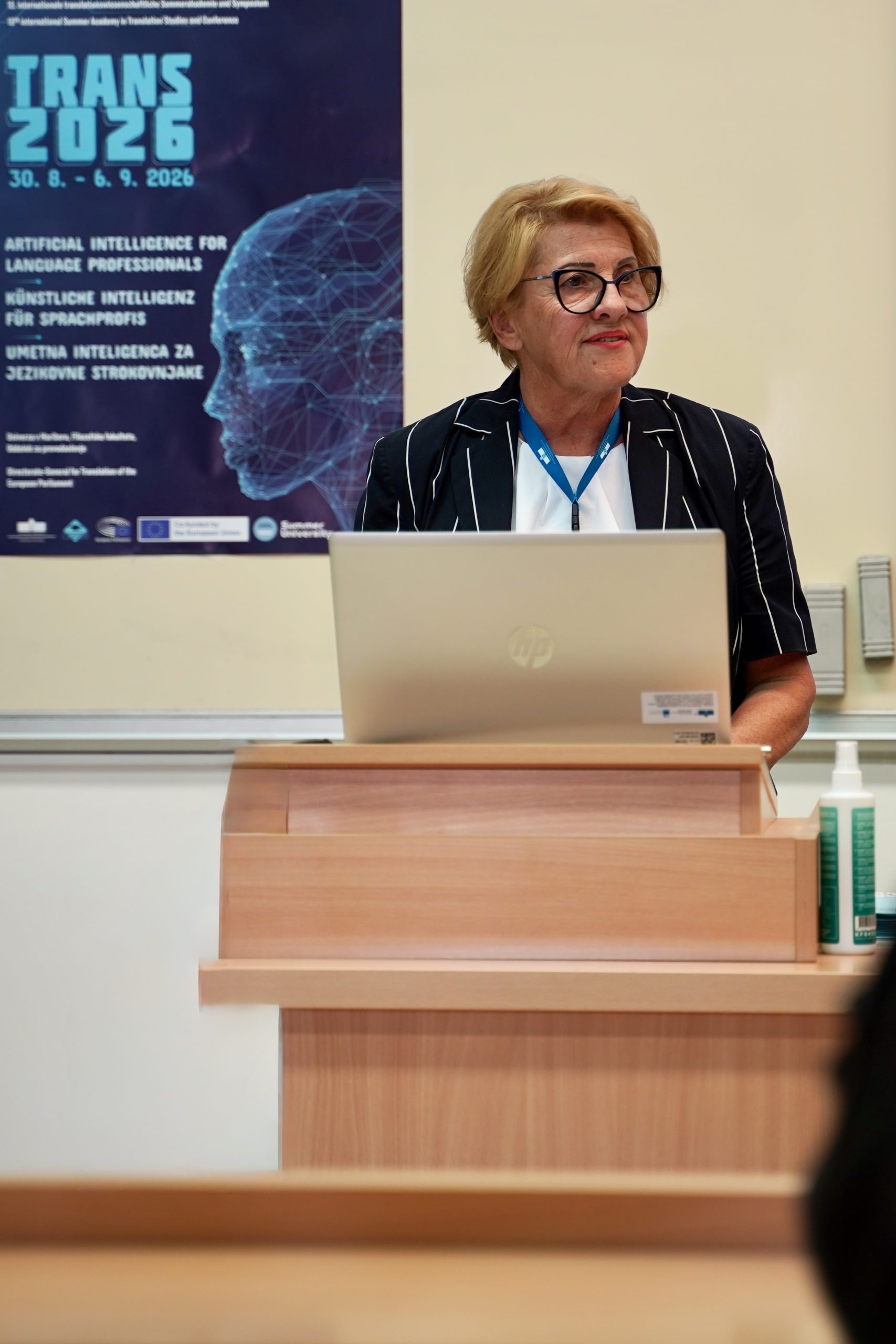
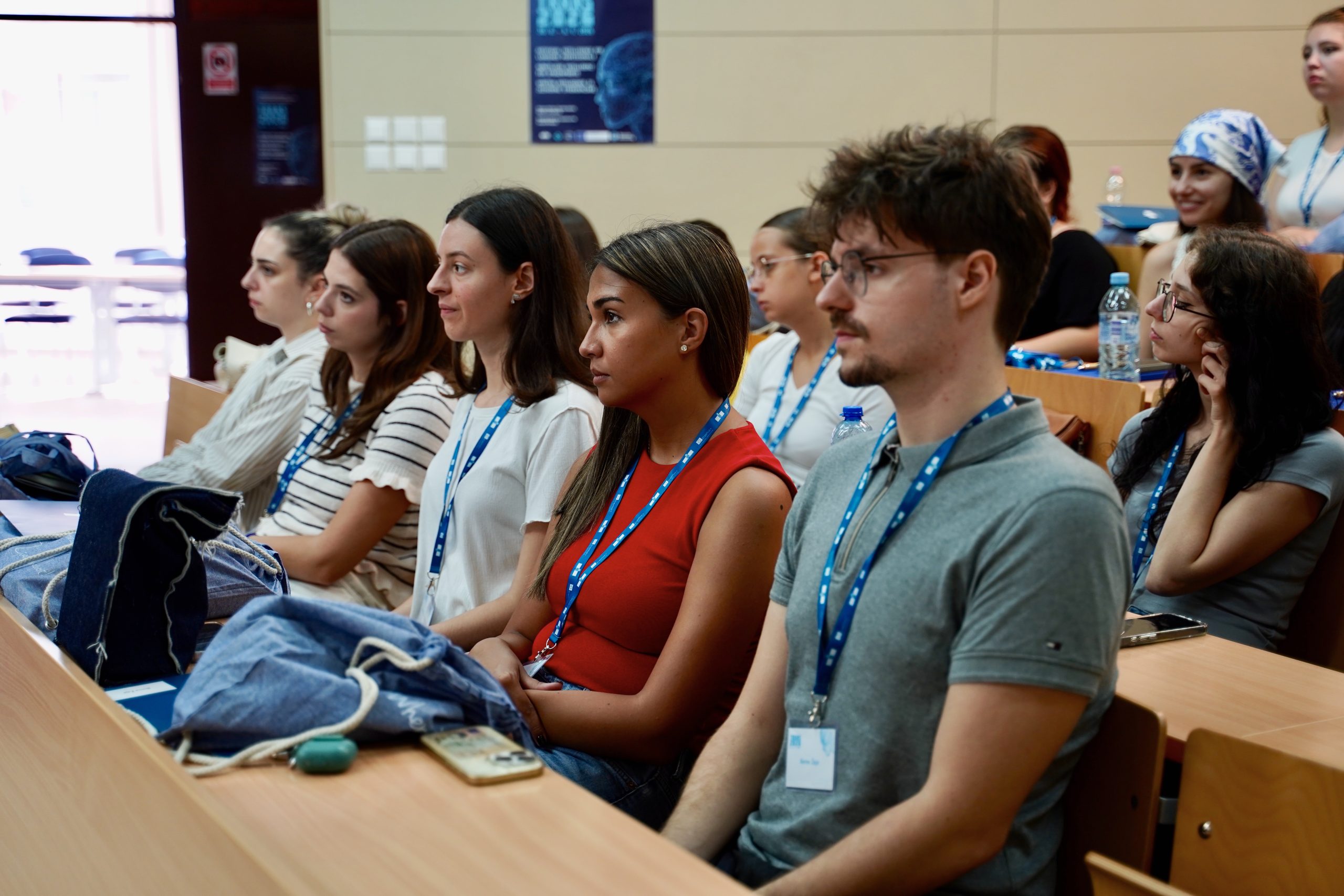
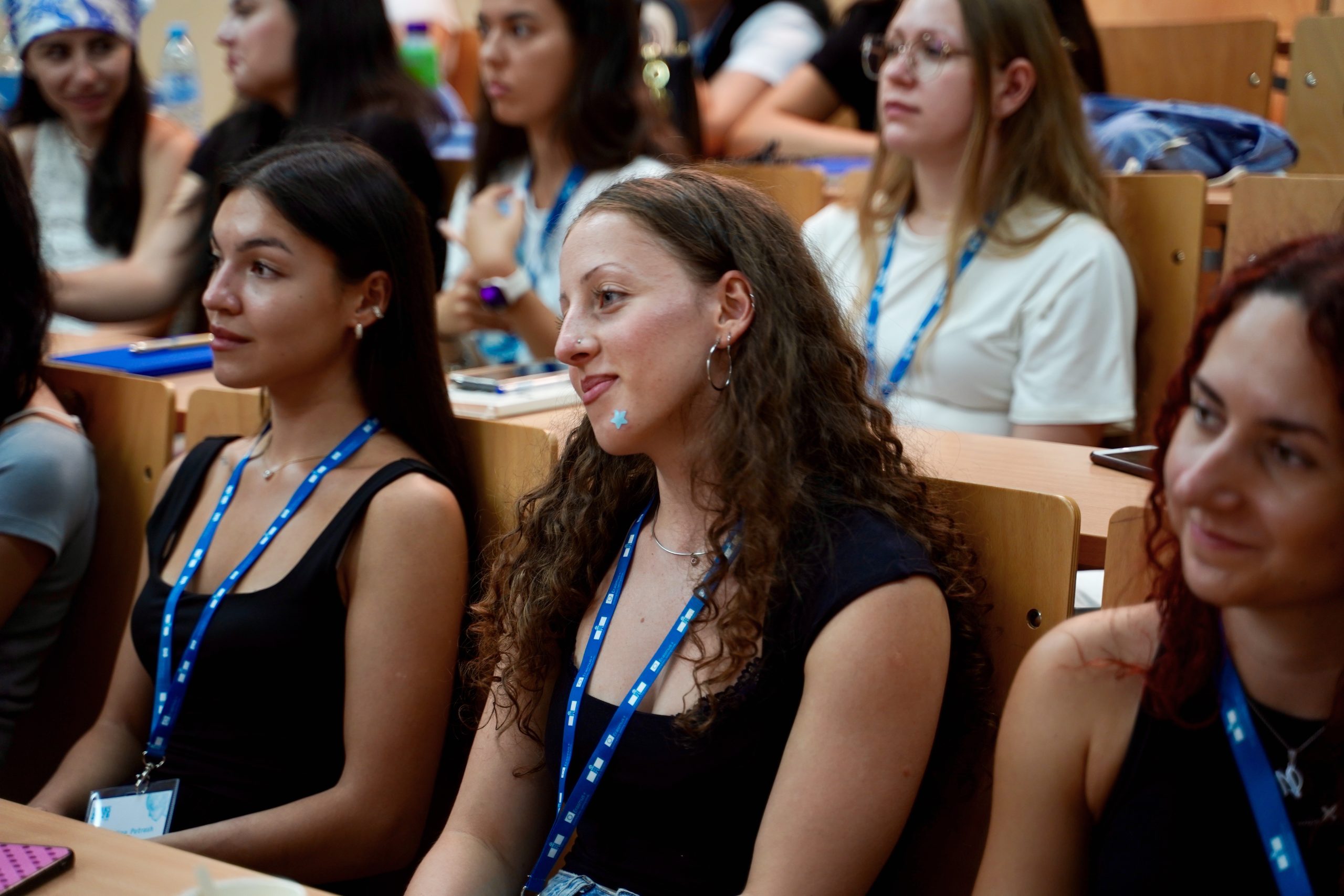
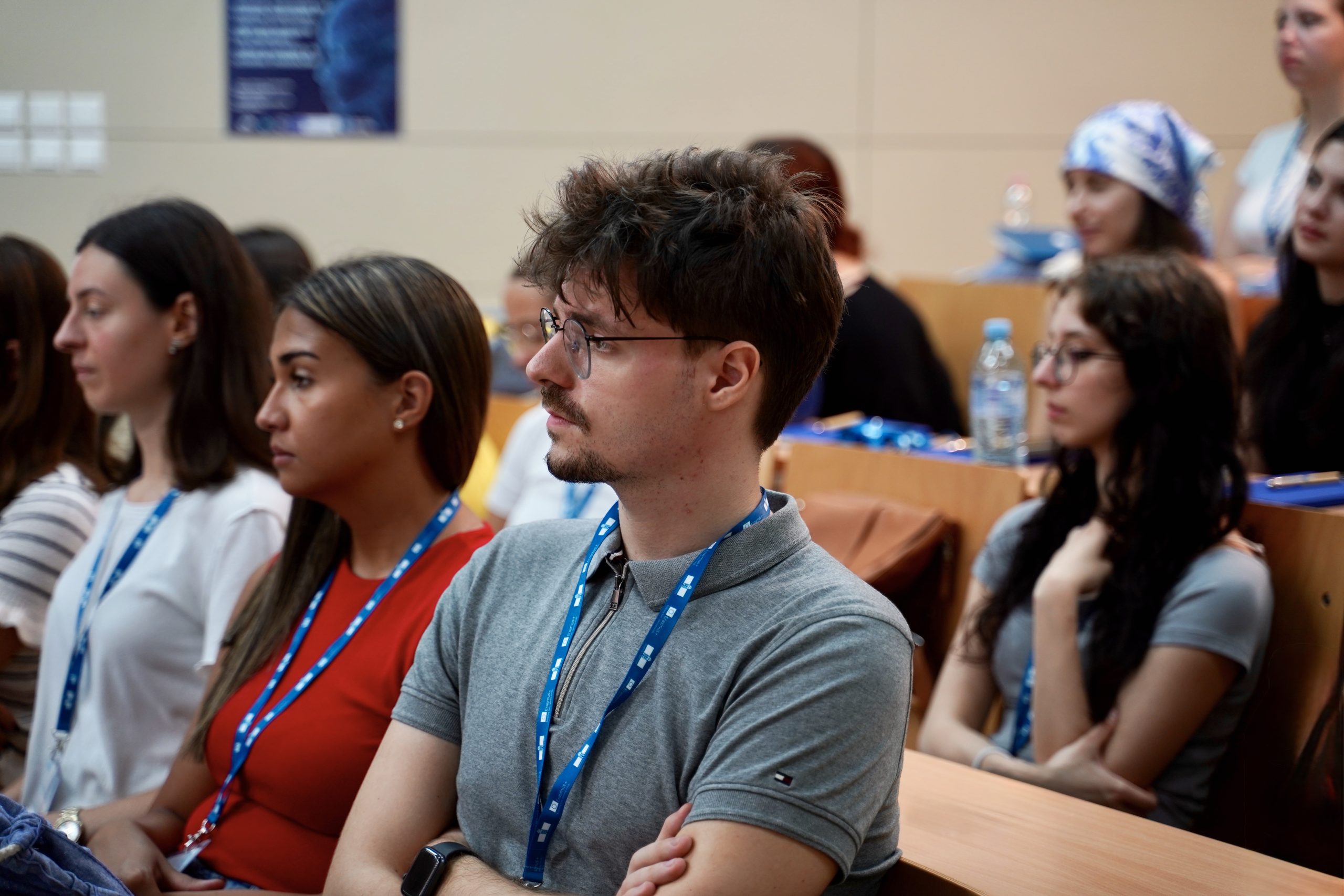
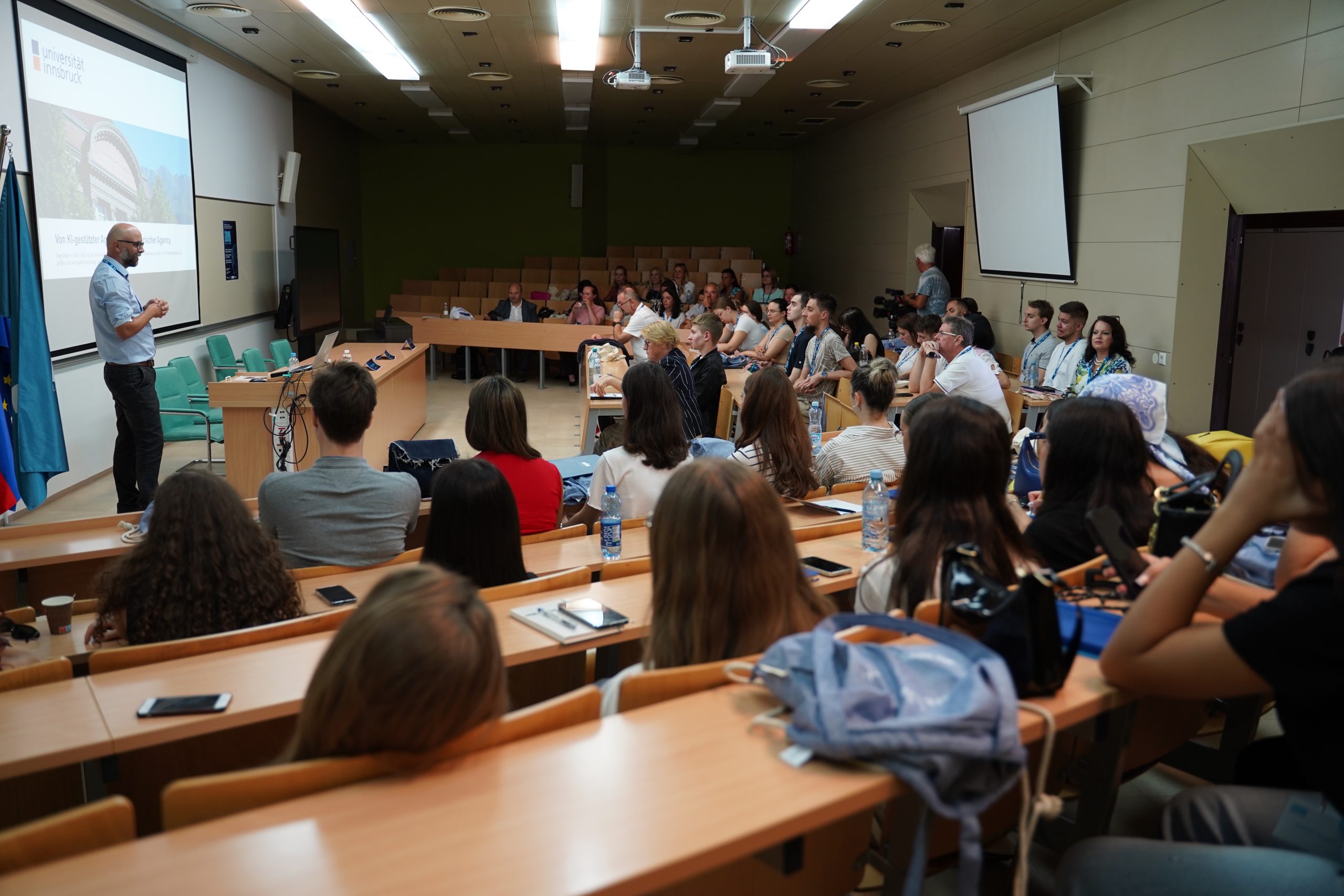
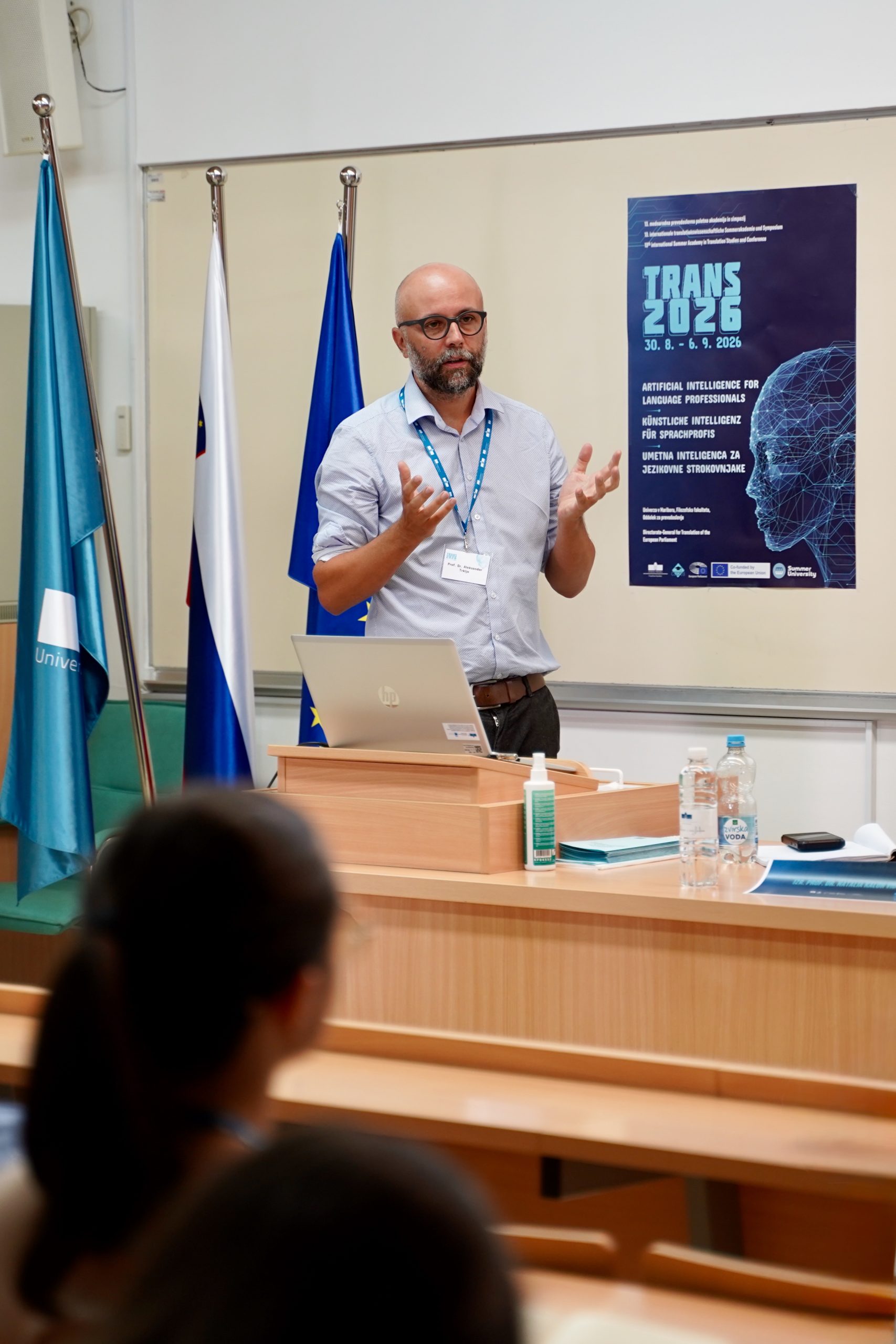
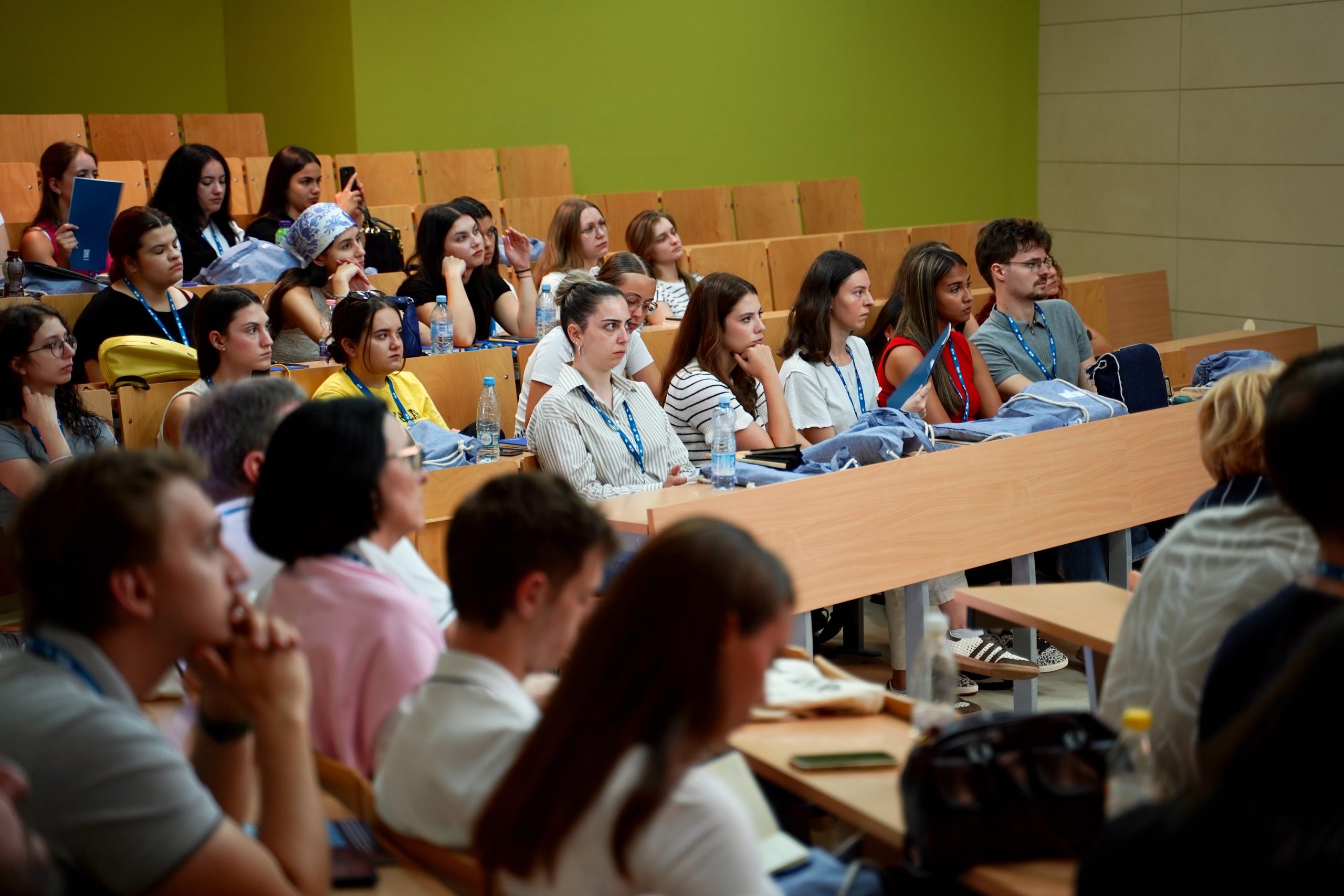
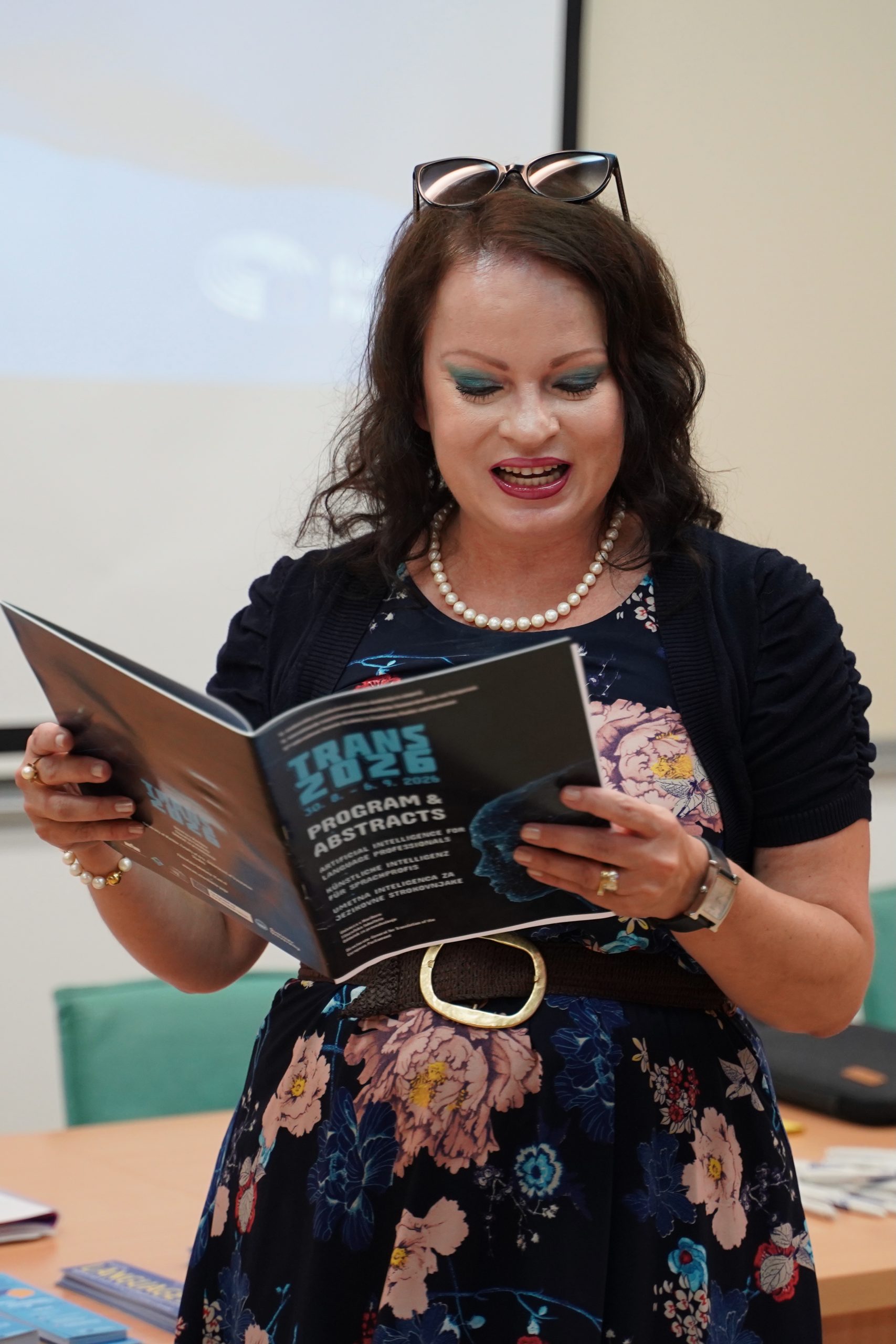
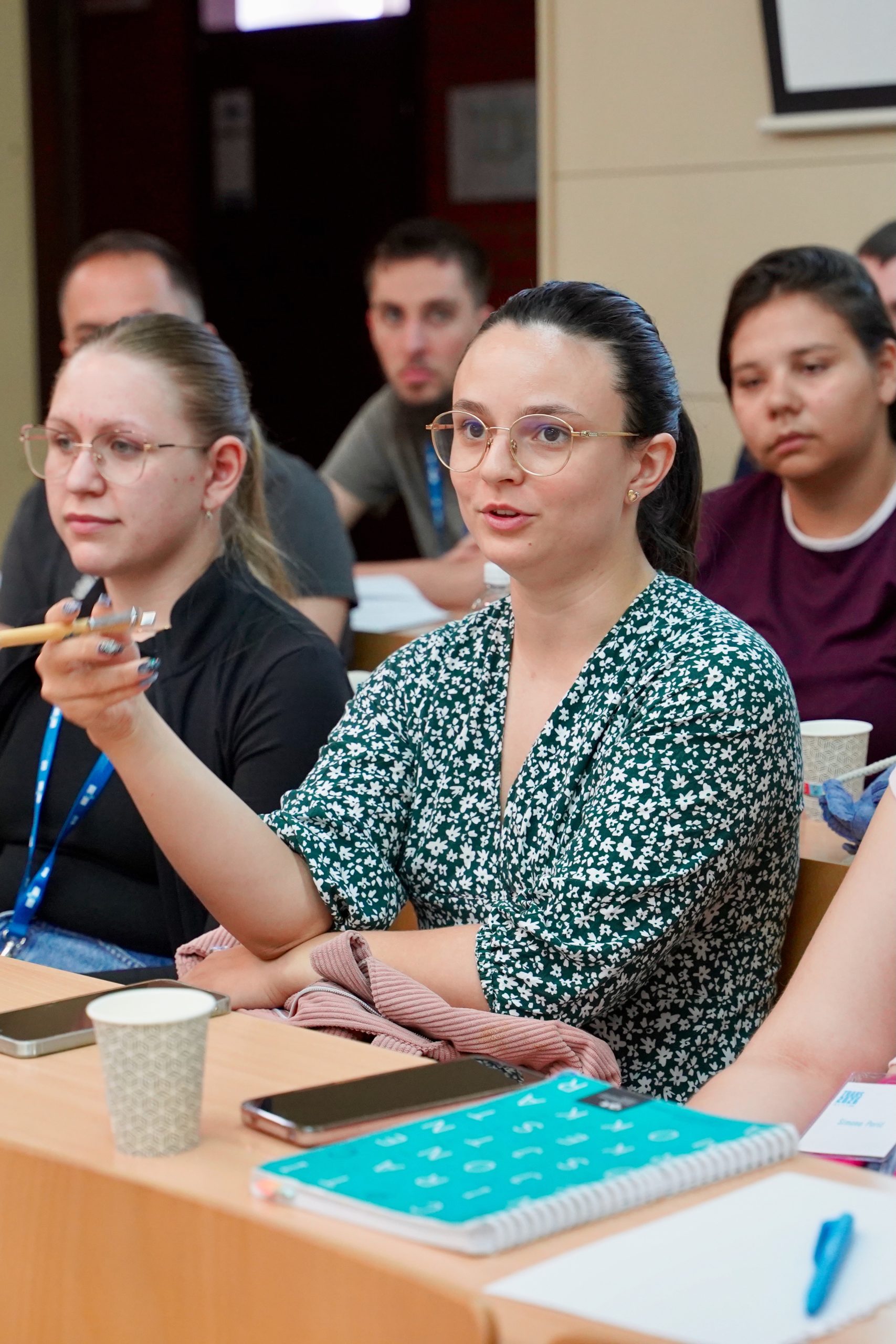
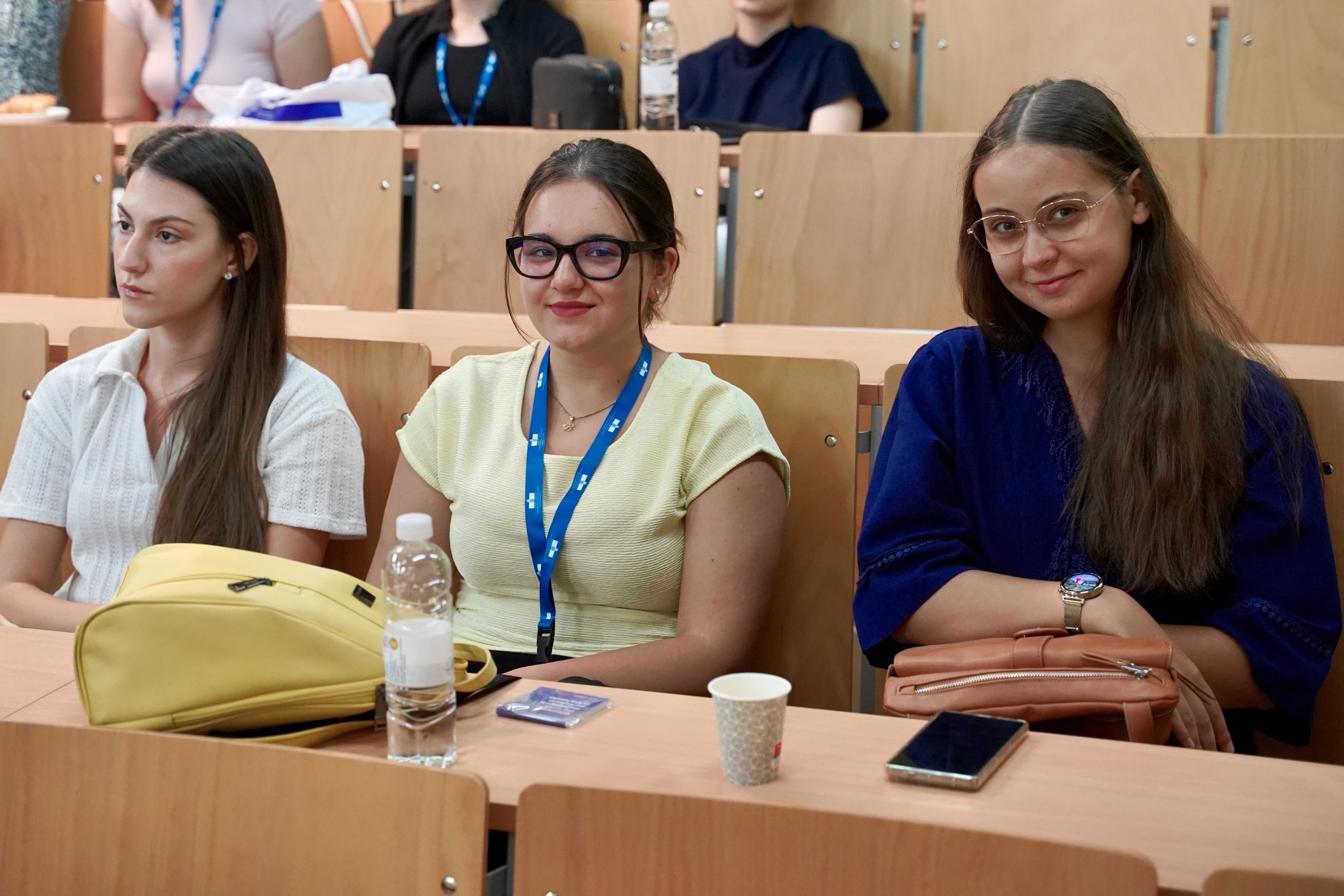
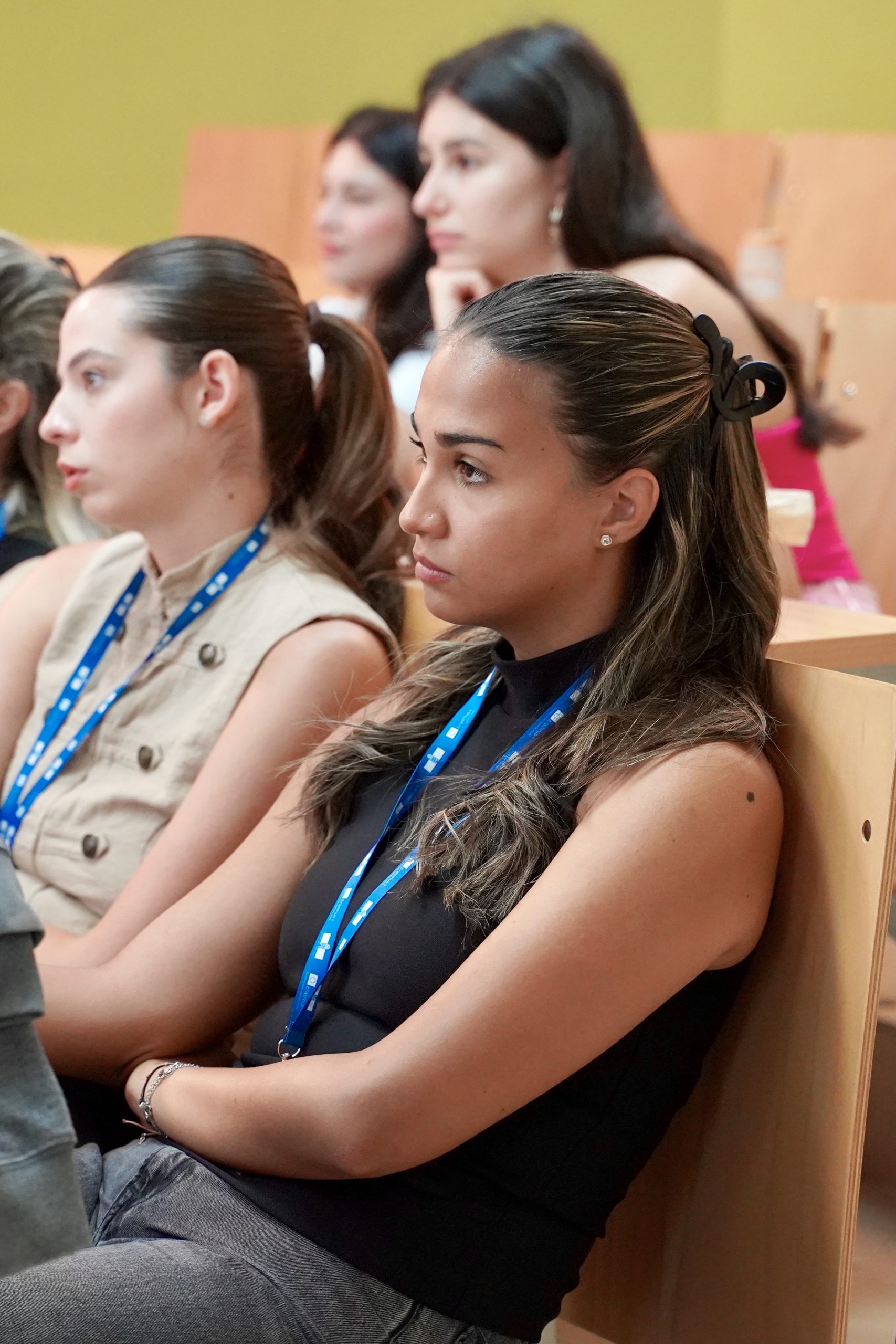
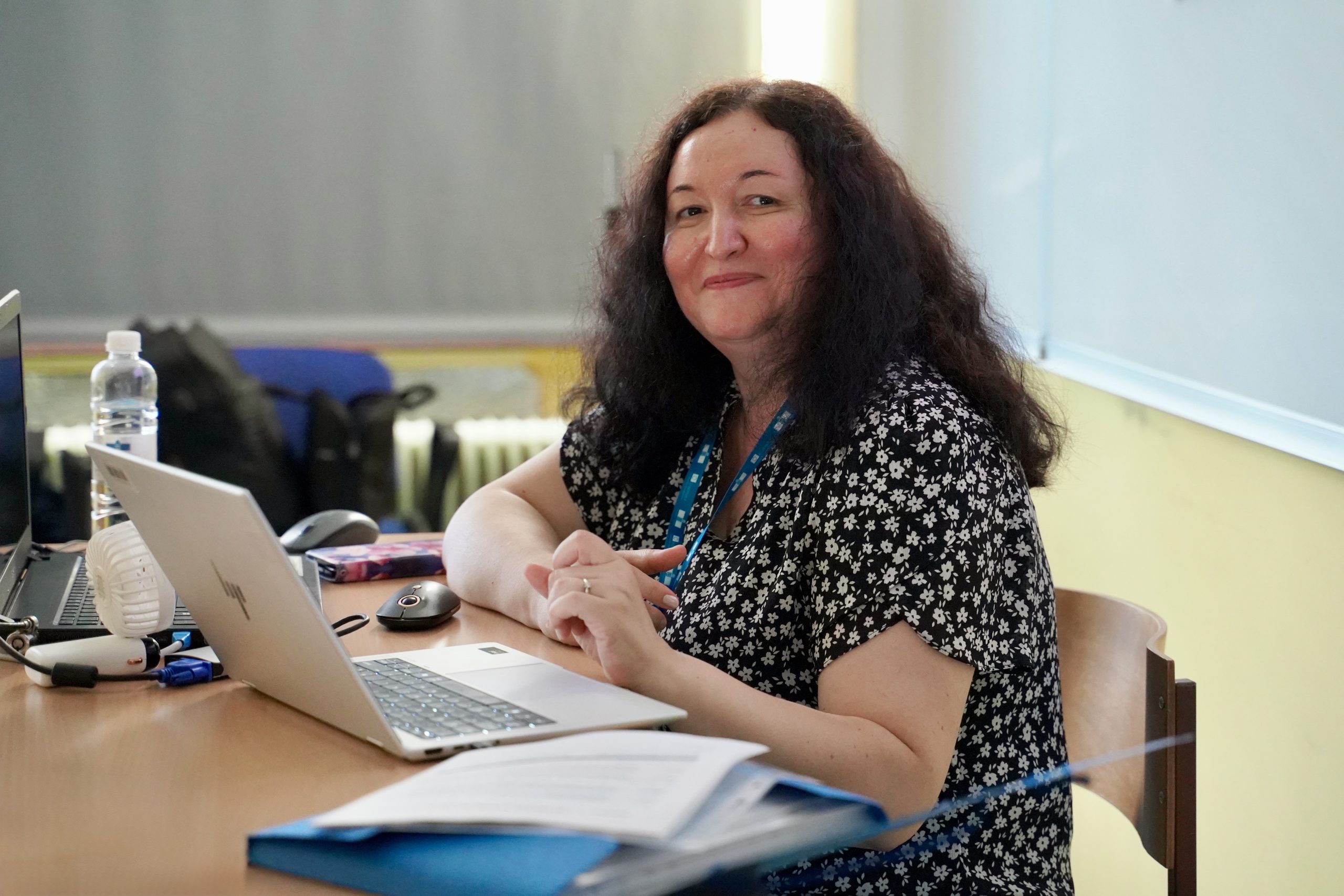
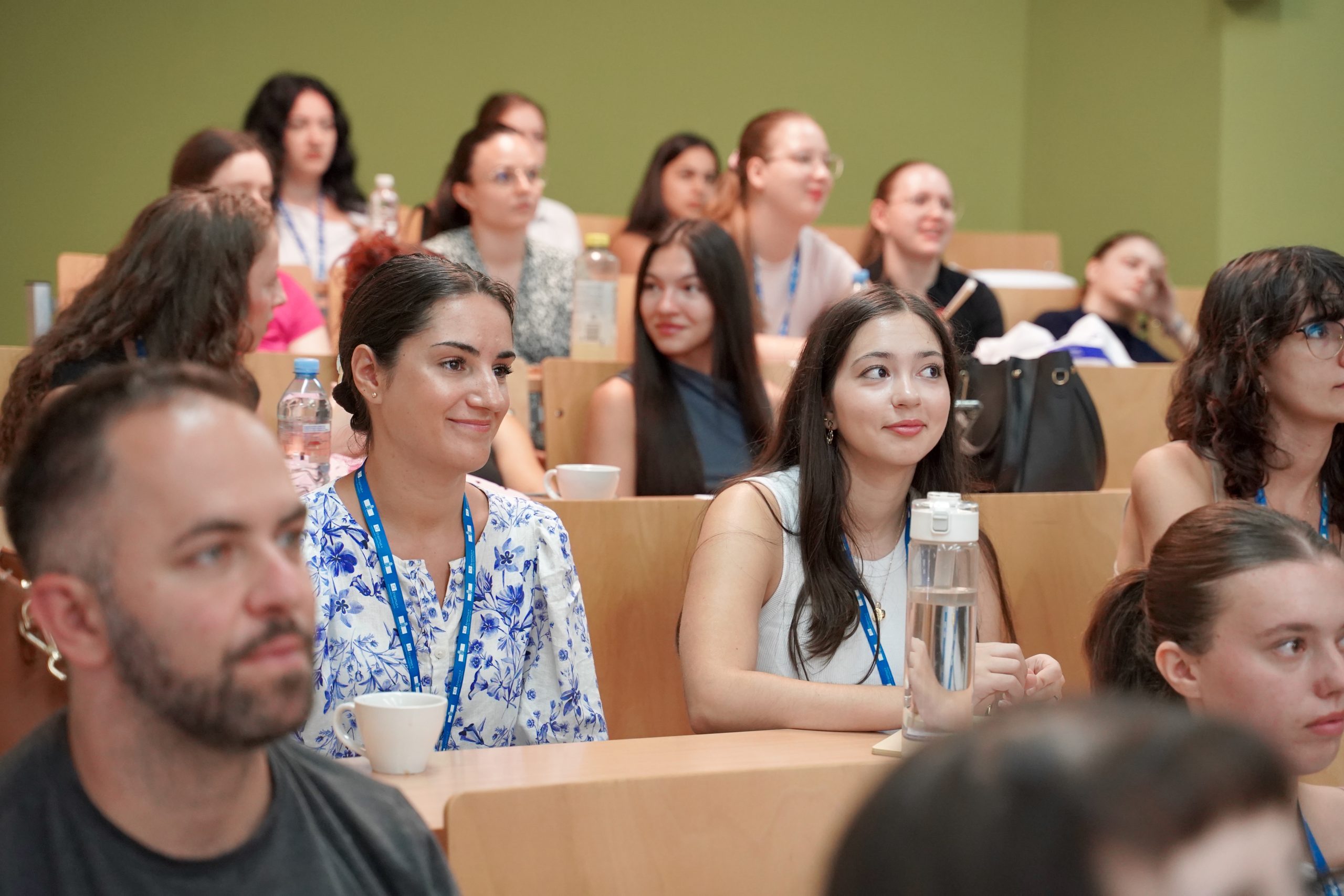
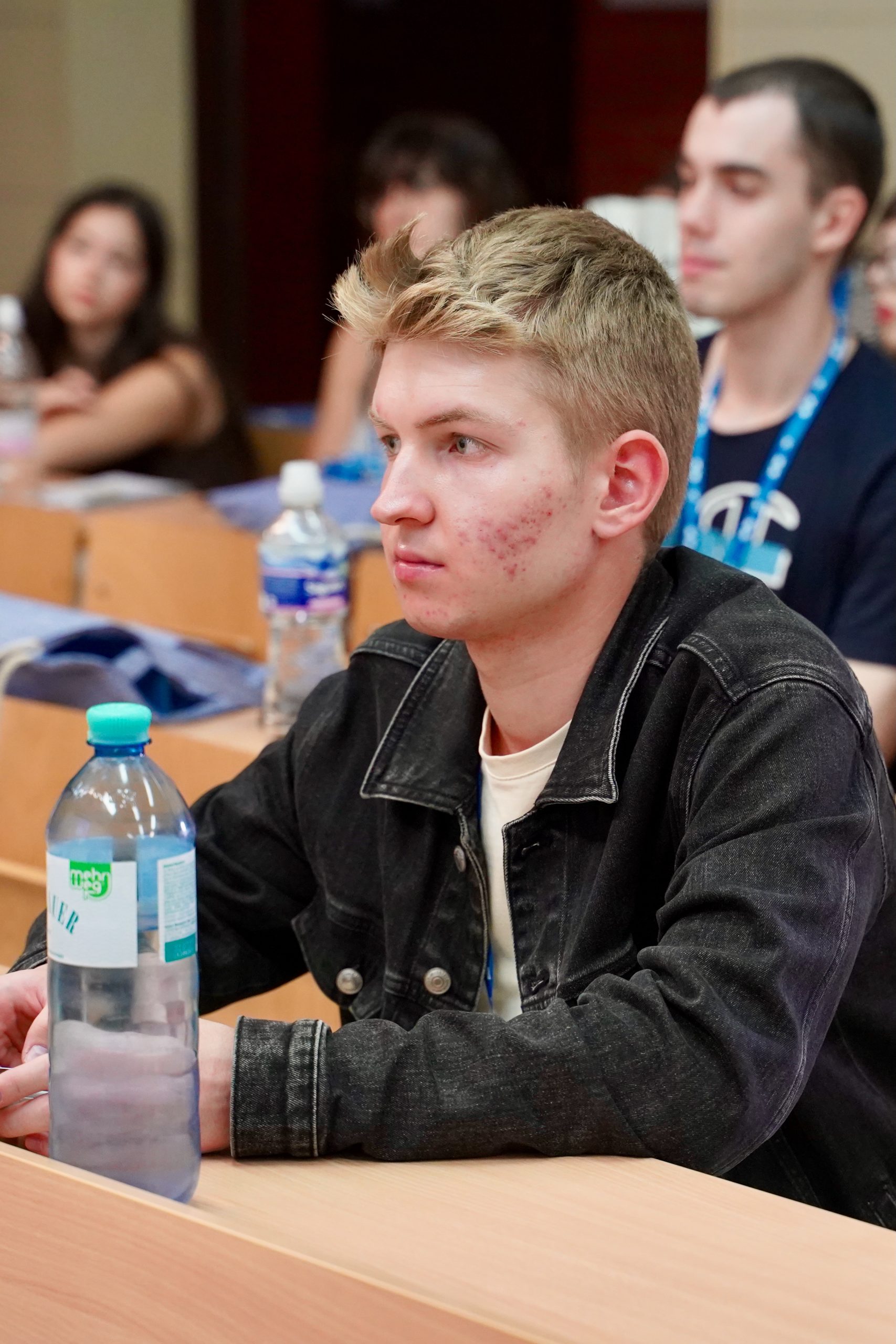
The BIP and CEEPUS programme brought together students of translation, intercultural communication, and language studies to explore the growing role of artificial intelligence in contemporary language professions. Through a combination of lectures, workshops, discussions, and practical activities, participants examined how AI technologies are transforming translation processes and reshaping the skills required of modern language professionals. The programme addressed topics such as speech synthesis, AI dubbing, digital forensics in machine translation, ethics and bias in neural machine translation systems, terminological drift in AI-assisted workflows, AI-driven quality estimation, and the translation of specialised terminology.
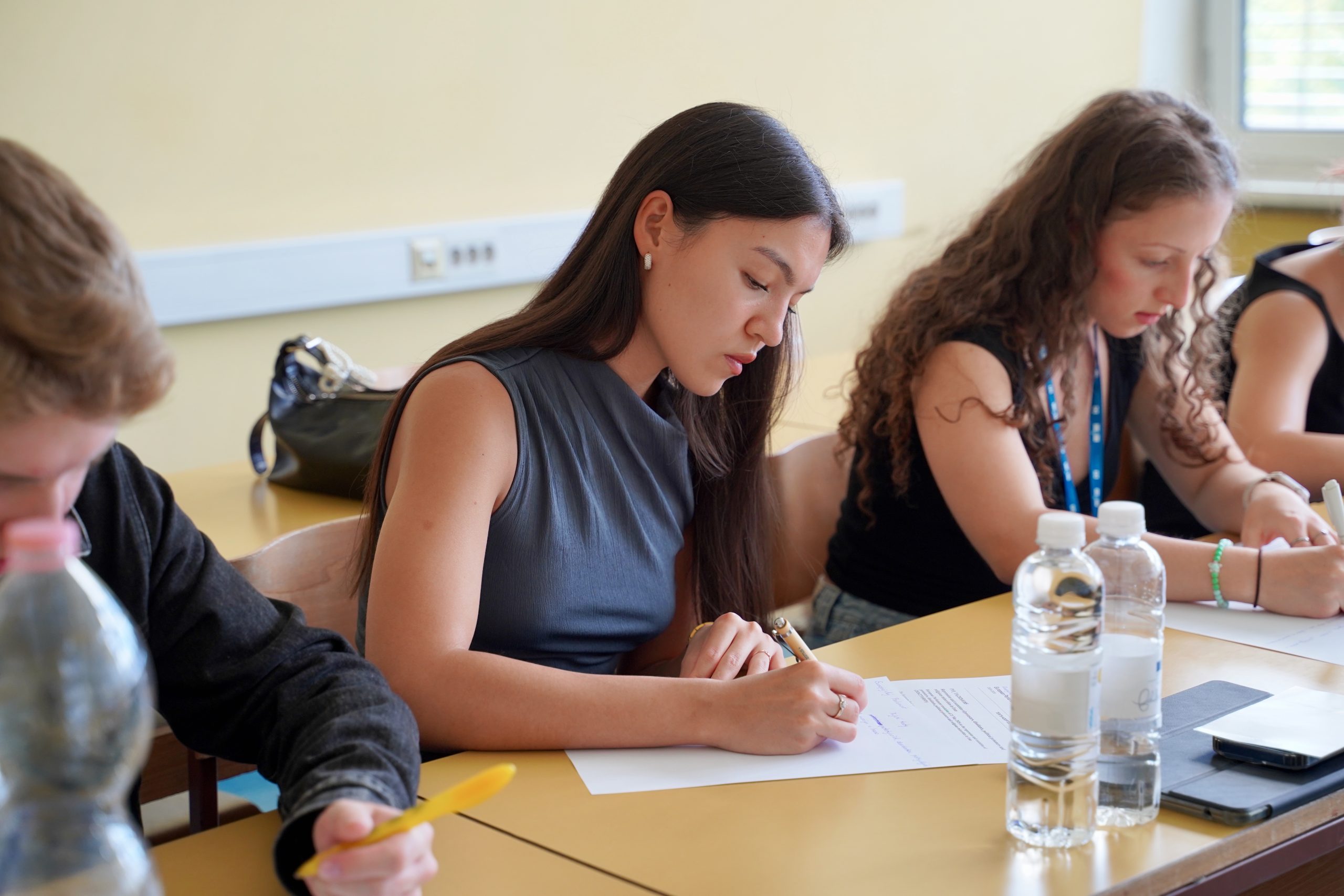
Students gained hands-on experience with a range of AI-powered tools used for research, information gathering, knowledge organisation, and translation support, including Elicit, Consensus AI, and Gemini Notebook. Through guided workshops and practical exercises, participants learned how to evaluate AI-generated content, formulate and refine research questions, and integrate digital tools into translation and language-related tasks. Particular emphasis was placed on developing digital literacy, critical thinking, and the responsible use of artificial intelligence in professional practice.
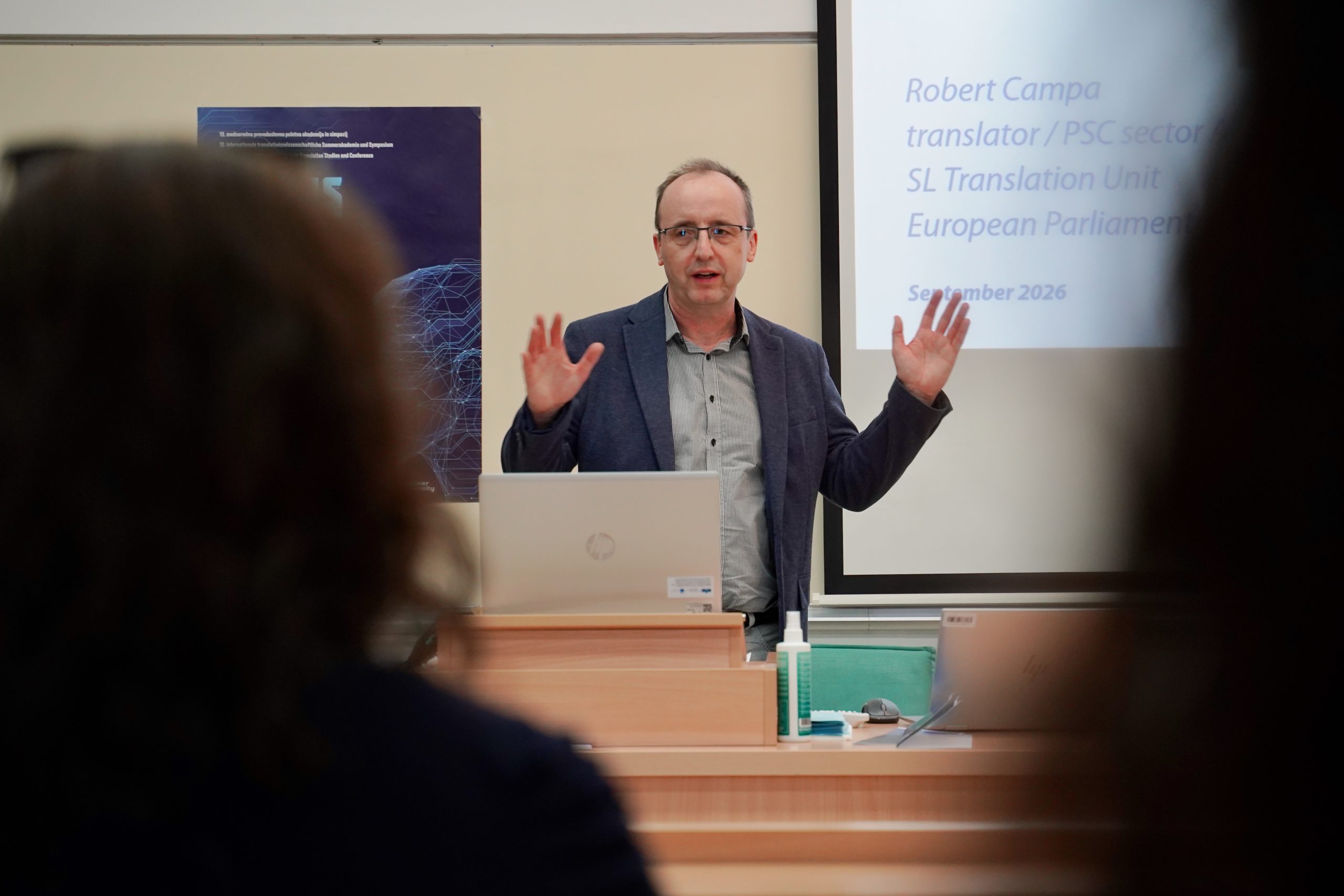
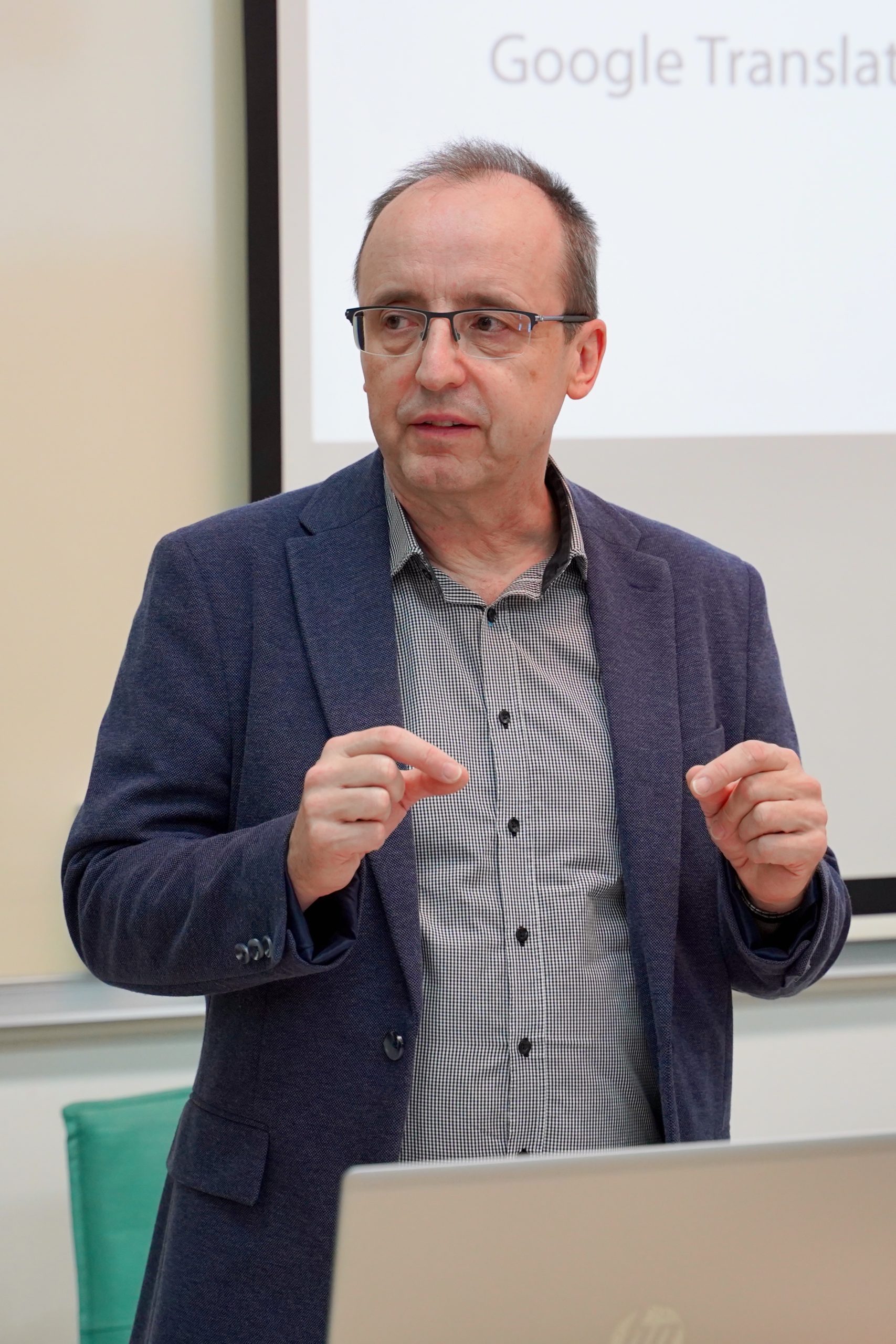
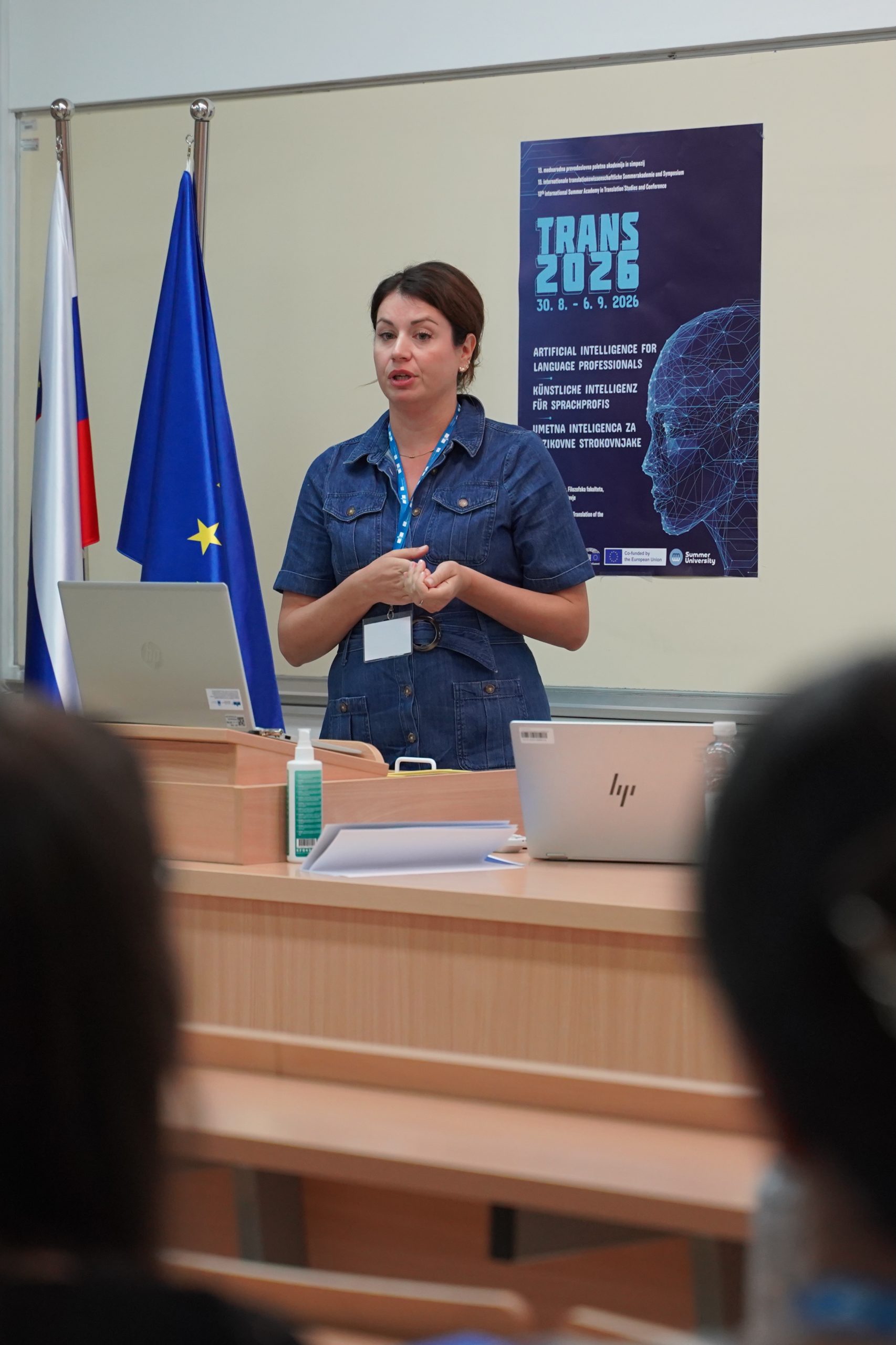
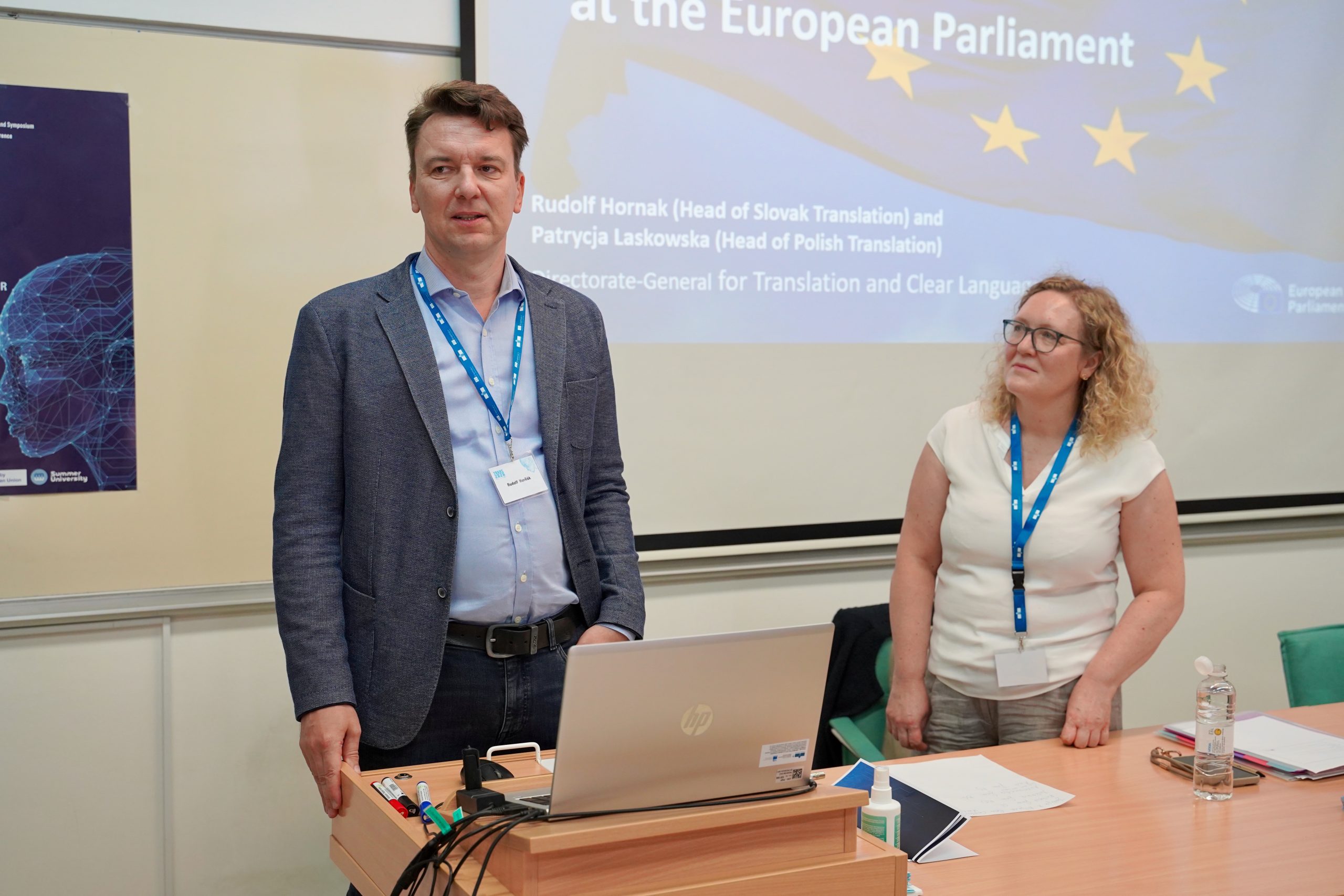
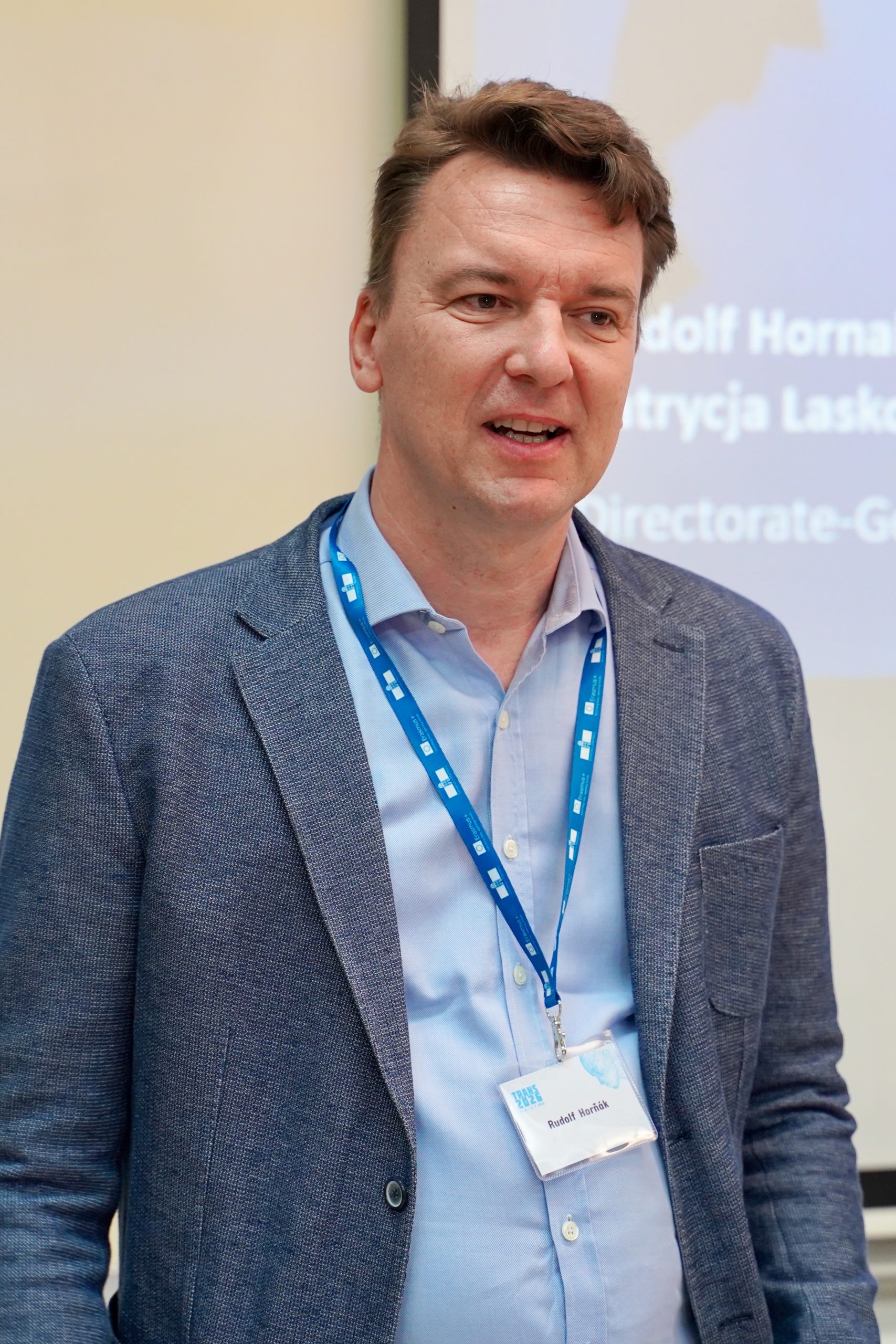
A distinctive feature of the programme was the collaboration with translators and language professionals from the Directorate-General for Translation of the European Parliament. Working alongside experienced practitioners, students gained valuable insight into professional translation workflows, current industry challenges, and the opportunities and limitations of AI-assisted translation. The programme concluded with reflective discussions on the changing role of translators in an increasingly technology-driven environment, equipping participants with practical competences for the future of multilingual communication.